Building a Design System from Scratch
When I joined the project, the product designs were scattered across Sketch files, inconsistent in styles, and hard to maintain. Developers often faced issues implementing designs due to duplicated components, varying colors, and mismatched typography. I saw this as an opportunity to create a unified design system that would streamline the workflow for both designers and developers.
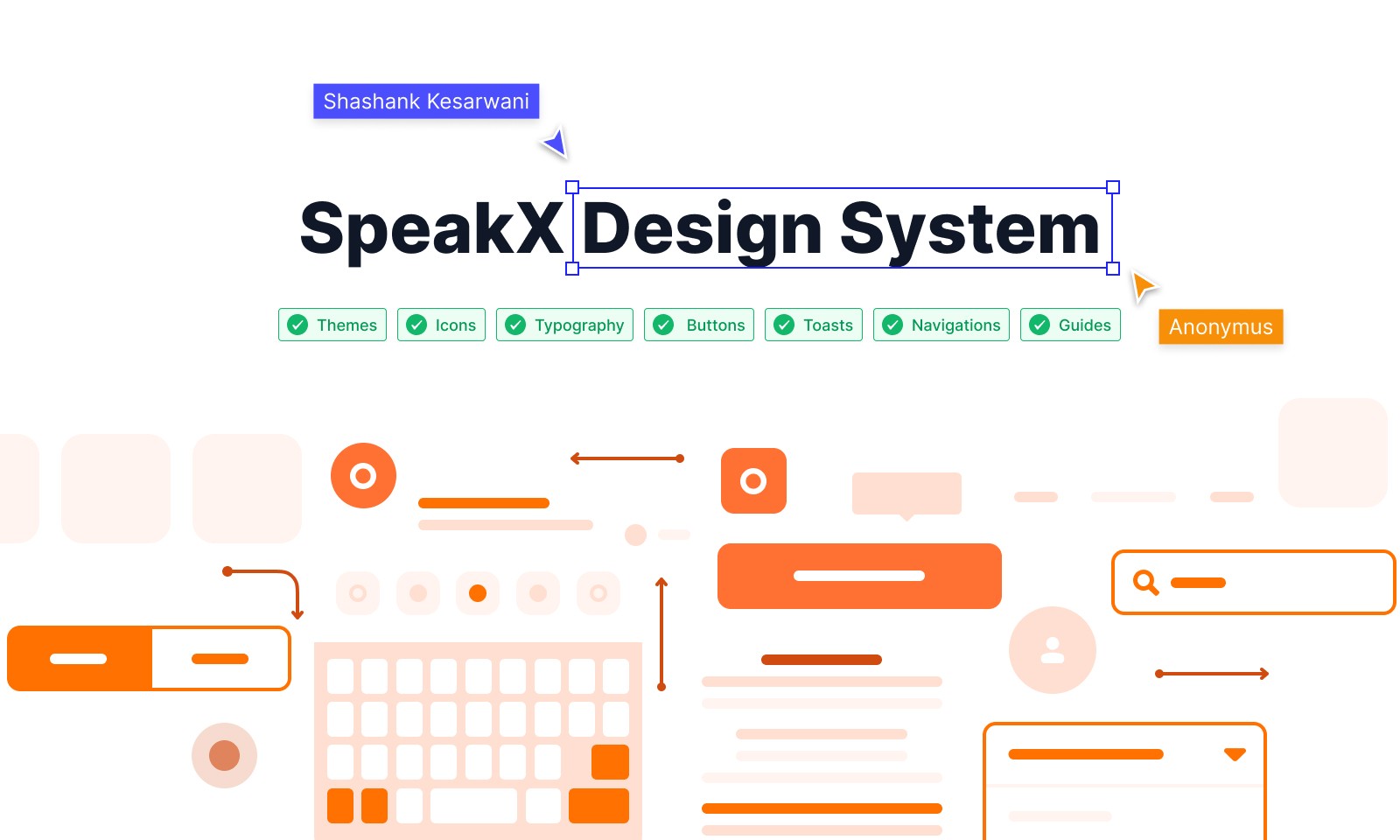
Challenge
Multiple duplications of components across files.
Inconsistent colours, typography, and spacing.
No clear structure for reusable assets.
Time wasted during updates (every change had to be applied manually to multiple screens).
Developers struggled with lack of standardized tokens.
This was slowing down the product team and creating inconsistencies in the user experience.
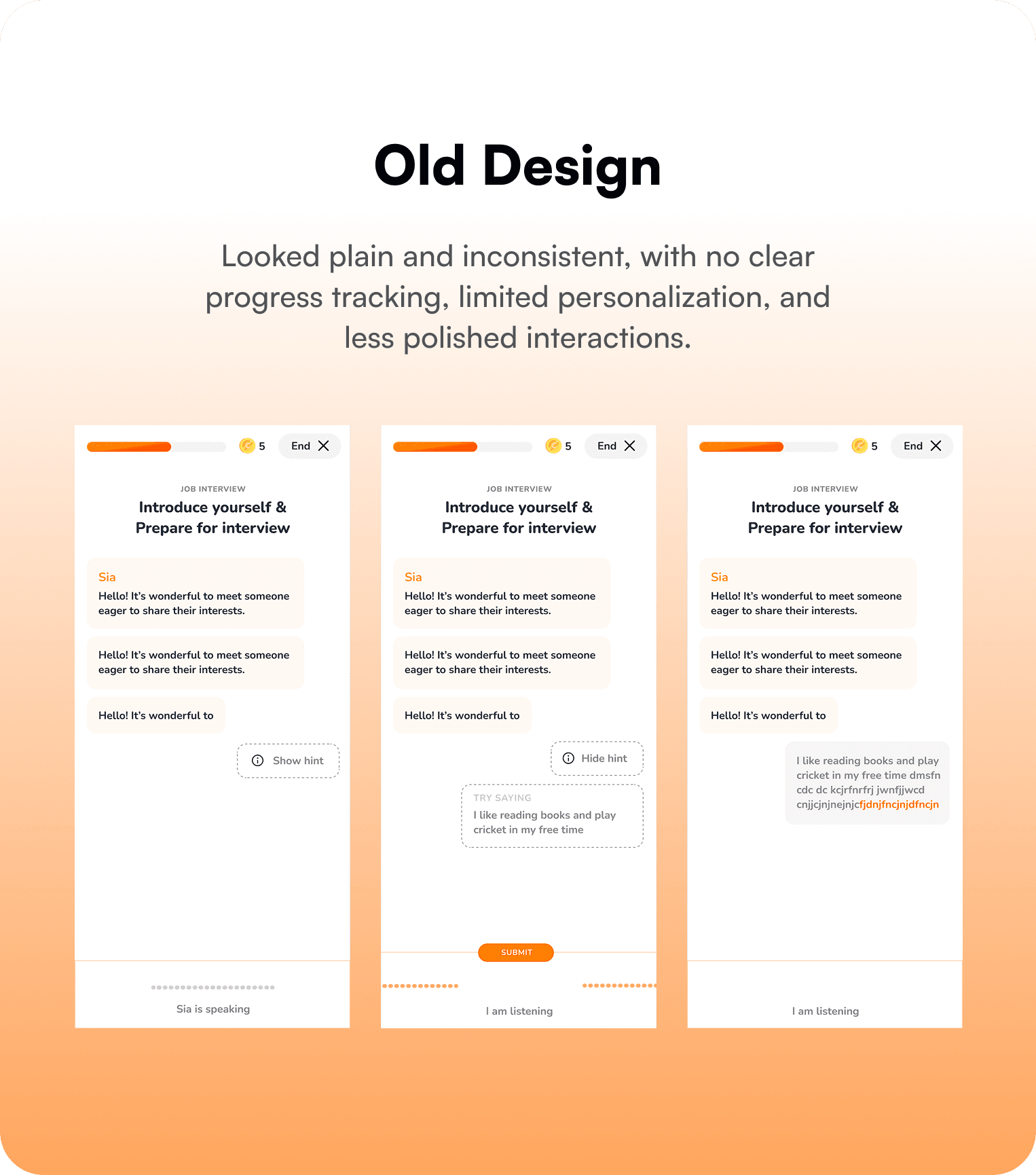
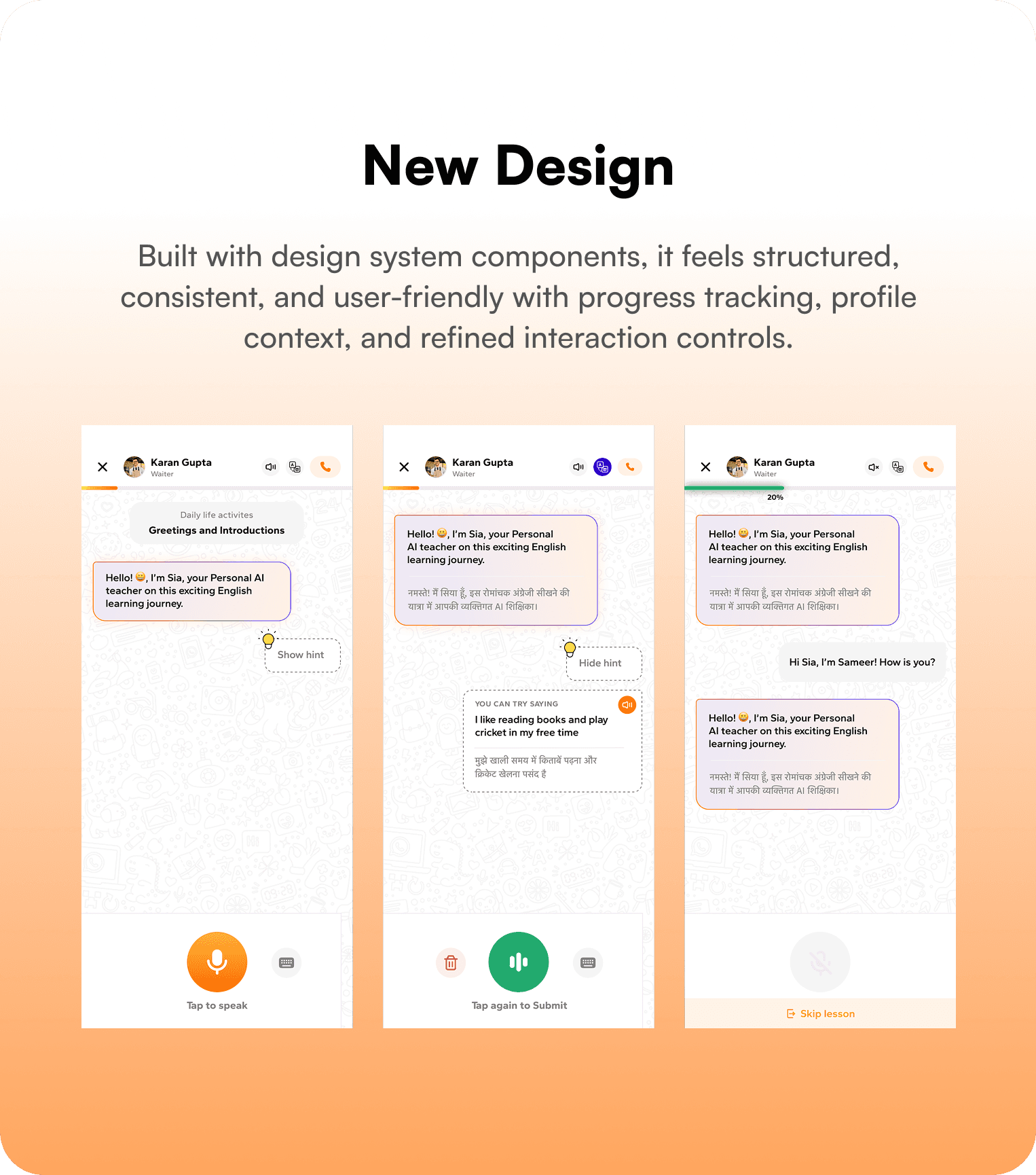
Migrated designs from Sketch to Figma
Researched existing patterns and industry best practices
Created the foundation and components of the new design system
Worked closely with developers to mirror the design system in code
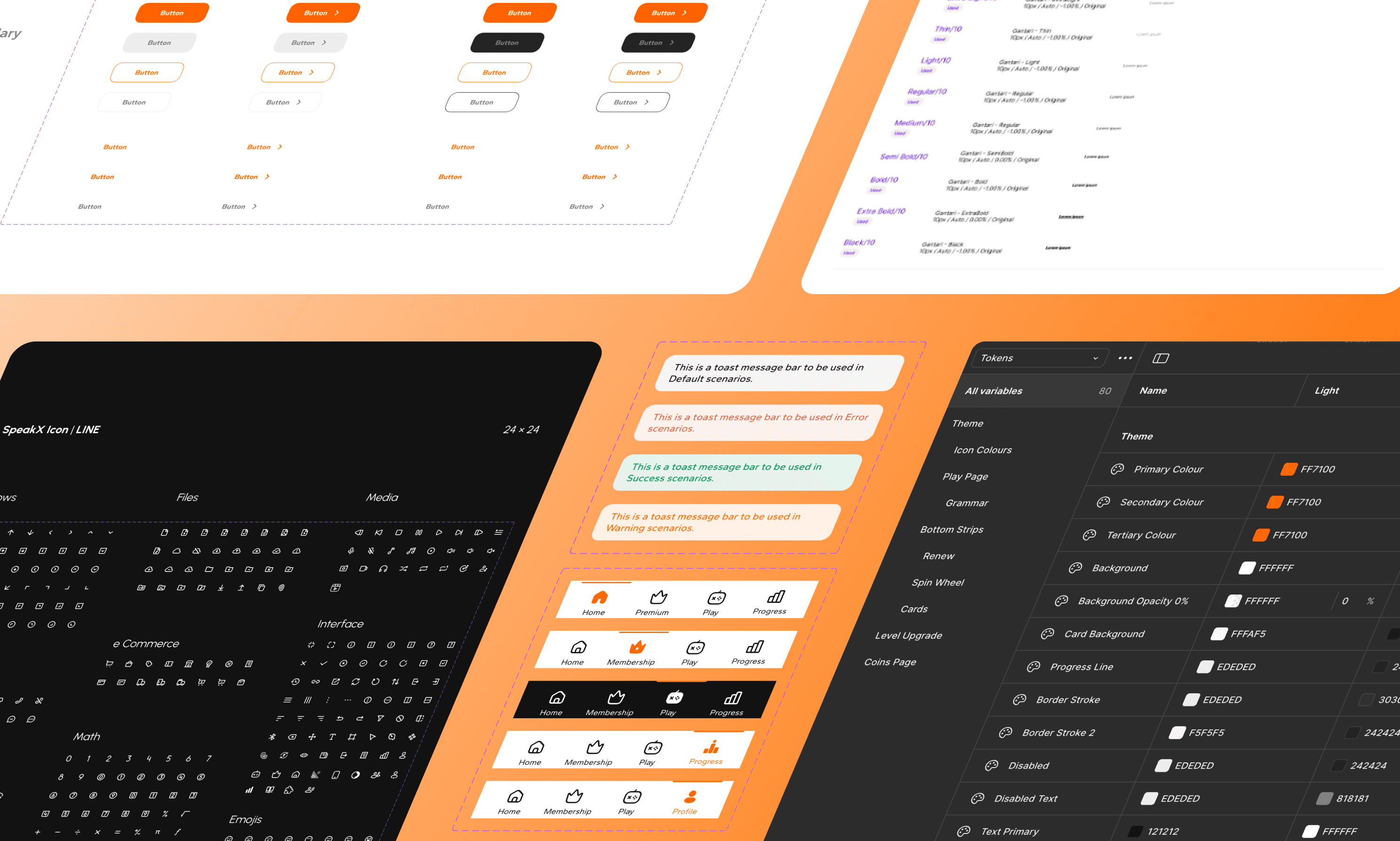
Consistency: Every screen now follows the same design language
Efficiency: One update reflects across all instances instantly
Scalability: New themes or components can be added without disrupting the system
Developer-Friendly: Developers work with the same tokens, reducing confusion and saving time
Reduced design-to-development friction
Improved speed of design iterations
Cleaner, scalable product design
Created a strong foundation for future growth of the product
Early collaboration with developers is essential
A strong foundation (colours, typography, spacing) makes scaling smoother
A well-structured design system not only helps designers but significantly accelerates development